

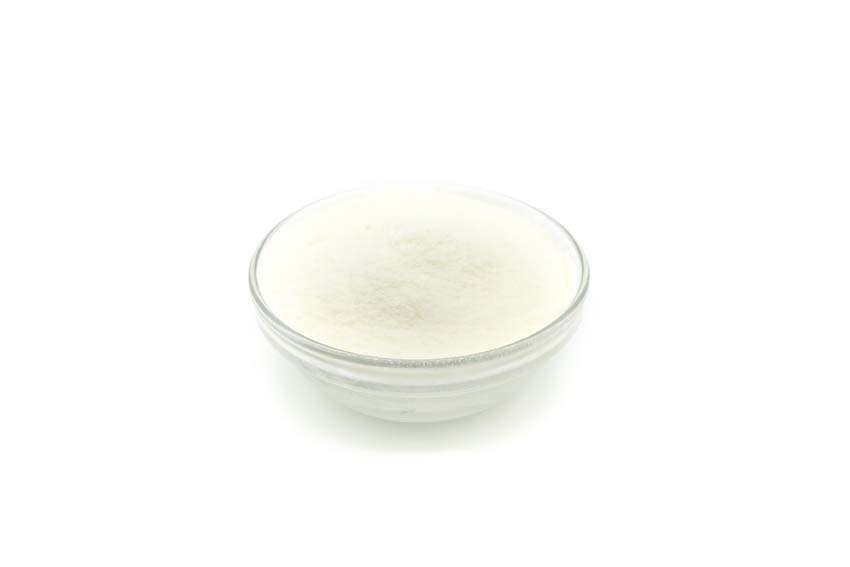
Milk powder comes in two main types: skimmed and whole. Both serve unique purposes in food and beverage manufacturing, depending on the nutritional profile, taste, and functionality you need. Understanding their differences will help you make the right choice for your applications.
What is Whole & Skim Milk Powder?
- Whole Milk Powder (WMP): Retains around 26–28% milk fat, delivering a rich, creamy flavor and smooth texture. It is often chosen for products where indulgence and mouthfeel are key.
- Skim Milk Powder (SMP): Contains less than 1.5% fat, offering a lighter taste, higher protein content, and fewer calories. It’s widely used in health-focused products, beverages, and formulations that require low fat.
Key Differences Between Skim & Whole Milk Powder
1. Nutritional Profile
- Skim milk powder is lower in fat but often higher in protein per gram, supporting weight management and high-protein formulations.
2. Taste and Texture
- Whole milk powder provides a creamier mouthfeel and fuller flavor.
- Skim milk powder has a lighter taste, which some describe as less rich. Manufacturers may blend it with other ingredients to enhance flavor and texture.
3. Health Considerations
- Skim milk powder is preferred in low-fat or reduced-calorie diets but can sometimes contain added sugars to improve taste—check product labels.
4. Consumer Targeting
- Whole milk powder is commonly used for products aimed at children and mainstream consumers who prefer creamy flavor.
- Skim milk powder is often targeted toward health-conscious adults, seniors, and those on weight management programs.
5. Manufacturing Process
- Both are made by pasteurizing, concentrating, and spray-drying milk.
- Skim milk requires an additional fat-removal step and may be fortified with added vitamins or proteins to maintain nutritional balance.
Which is Healthier: Whole or Skim Milk Powder?
Neither option is “better” universally—it depends on consumer needs and product goals.
- Choose skim milk powder if you need high protein, low fat, or a lighter formula.
- Choose whole milk powder if your focus is flavor, creaminess, and energy density.
Applications in Food Manufacturing
- Whole Milk Powder: Confectionery, chocolate, bakery fillings, ice cream, infant nutrition, creamy beverages.
- Skim Milk Powder: Baked goods, protein shakes, yogurt, reconstituted milk, dairy blends, health-focused beverages.
Our Commitment to Quality
At Lautan Natural Krimerindo Ltd., we deliver premium-grade milk powders designed for consistent performance across food applications. Whether your products demand the creaminess of whole milk or the light nutrition of skim, our milk powders are manufactured under strict quality standards to ensure safety, taste, and functionality.
Frequently Asked Questions
Is whole milk powder the same as skim milk powder?
No. Whole milk powder retains milk fat, while skim milk powder has most of the fat removed.
Which is better—skim or whole milk powder?
It depends on the application. Skim is lighter and higher in protein, while whole is creamier and richer in taste.
Does whole milk powder contain sugar?
Yes, but only natural milk sugar (lactose), not added sucrose.
Does whole milk powder contain sugar?
Yes, but only natural milk sugar (lactose), not added sucrose.
Is skim milk powder safe for sensitive digestion?
Yes. Because it is low in fat, it is easier to digest and often recommended for people with acid reflux.
0 Comments