

Non Dairy Creamer: What It Is, How It Works, and Why It Belongs in Your Formula
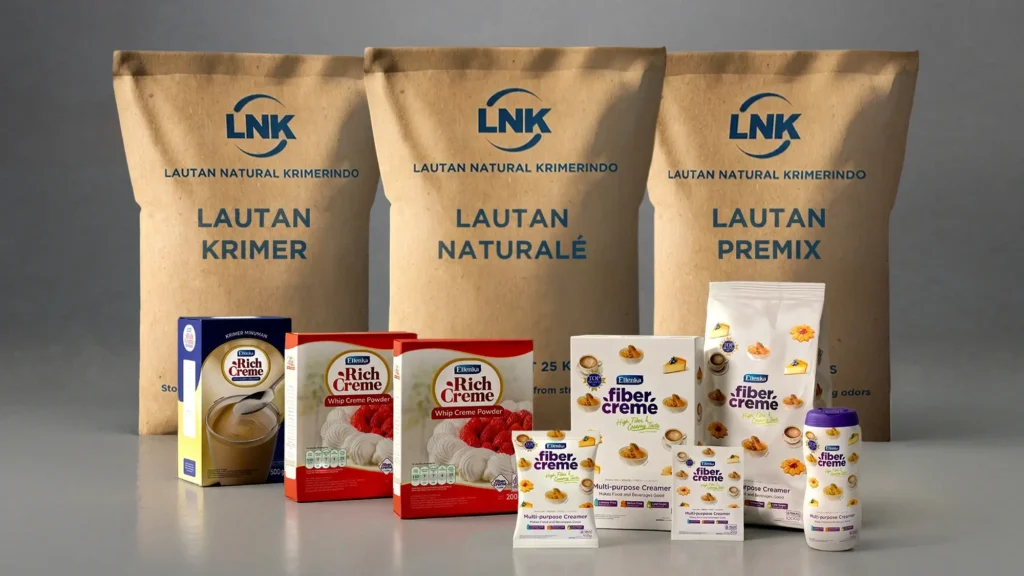
Lautan Natural Krimerindo non dairy creamer product range
Non dairy creamer has become one of the most versatile and widely used ingredients in the food and beverage industry across Southeast Asia. From the bustling milk tea shops of Bangkok and Jakarta to large-scale bakery operations in Manila and Kuala Lumpur, non dairy creamer plays a quietly essential role in delivering the taste, texture, and consistency that consumers have come to expect.
But what exactly is it, and why does it matter for your production line?
What Is Non Dairy Creamer?
Non dairy creamer, also known as coffee creamer or whitener is a dry powder formulation designed to replicate the creaminess and mouthfeel of dairy milk, without the limitations that come with using dairy-based ingredients. It is widely used as a functional substitute for milk powder, or to reduce the proportion of milk in a wide range of applications including beverages, confectionery, and baked goods.
For food manufacturers, non dairy creamer offers a compelling combination of consistency, cost efficiency, and formulation flexibility making it a go-to ingredient across many product categories.
What Is Non Dairy Creamer Made Of?
Non dairy creamer powder typically comprises the following components:
- Corn syrup solids — serves as the primary carbohydrate base
- Vegetable oils or fats — contributes to creaminess and mouthfeel
- Sodium caseinate — a milk-derived protein that aids emulsification
- Dipotassium phosphate — acts as a buffering agent to prevent curdling
- Mono and diglycerides — emulsifiers that ensure product stability
- Silicon Dioxide — an anti-caking agent for powder flowability
- Natural and artificial flavors and colors — for taste and visual appeal
Each component plays a specific functional role, which is why the formulation can be adjusted depending on the intended application and performance requirements.
Types and Variants
Non dairy creamer is not a one-size-fits-all ingredient. Variants differ across several parameters, giving manufacturers significant flexibility in product development:
- Fat content — available in low fat, medium fat, and high fat variants, each delivering different levels of richness and creaminess
- Oil source — palm oil, coconut oil, and other vegetable oil bases offer different flavor profiles and cost considerations
- Sodium caseinate level — affects emulsification performance and protein content labeling
- Color and flavor profile — customizable to match desired taste and appearance
Functional Properties
Appearance – A fine, free-flowing powder ranging from white to light cream in color, consistent and easy to handle in manufacturing environments.
Water Solubility – Dissolves readily in hot water at temperatures between 175–180°F (79–82°C) without curdling or clumping, ensuring smooth integration into liquid-based formulations.
Emulsification and Stability – Superior emulsification capability and stability make it ideal for applications requiring a stable texture, such as coffee, milk tea, and ready-to-drink beverages.
Application in Food & Beverage Manufacturing
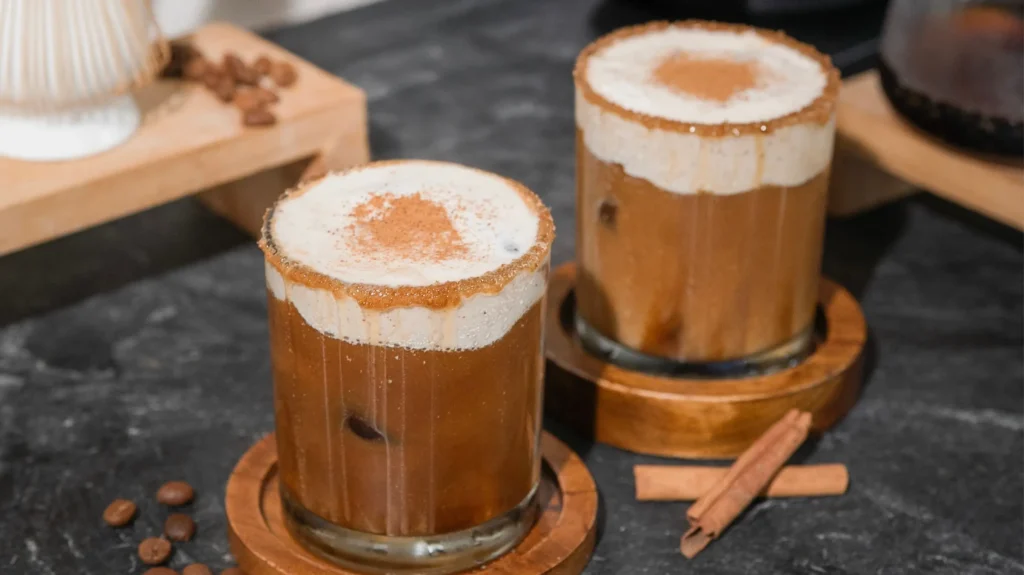
Iced coffee topped with creamy foam and cinnamon, made with non dairy creamer for smooth texture and stable emulsification
Non dairy creamer’s functional versatility makes it a valuable ingredient across multiple product categories:
Coffee & Beverage
Enhances whiteness and opacity in coffee and instant beverage formulations. Delivers a smooth, milky flavor without the storage and handling challenges associated with liquid dairy.
Milk Tea
A staple ingredient in Southeast Asia’s booming milk tea industry. Contributes to the signature creamy texture and smooth mouthfeel that consumers expect, while also enhancing color consistency across large-volume production.
Ice Cream & Frozen Desserts
Improves mix stability and emulsification, enhances overrun and melt resistance, reduces ice crystal growth, and delivers a smoother mouthfeel with a creamy white appearance.
Bakery & Confectionery
Designed to replace milk powder in bakery and confectionery formulations, offering a cost-effective solution while maintaining the desired dairy taste, texture, and baking performance.
Safety & Regulatory Considerations
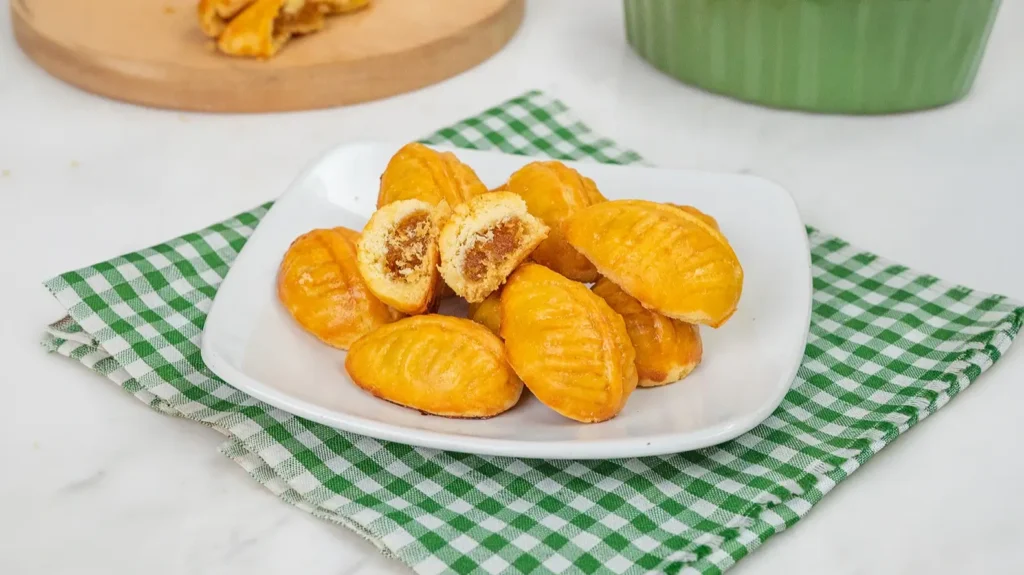
Taiwanese nastar pineapple cookies filled with jam, made using non dairy creamer for a rich, buttery texture in bakery applications
Non dairy creamer is widely recognized as safe for consumption. However, manufacturers should be aware of the following considerations when formulating products for specific consumer segments:
Lactose Sensitivity
While non dairy creamers containing sodium caseinate are considered lactose-free or contain only trace amounts of lactose, some variants may include other milk-derived ingredients which contain higher levels of lactose. Therefore, careful review of the ingredient declaration is important to ensure suitability for lactose-sensitive consumers.
Products containing non dairy creamer should be clearly labeled accordingly to comply with food allergen regulations across Southeast Asian markets.
Trans Fat
Some formulations may contain trans fats derived from partially hydrogenated vegetable oils. Manufacturers are encouraged to source non dairy creamers with non or fully-hydrogenated fat bases, particularly for health-conscious product lines.
Industry & food service non dairy creamer is also widely adopted across industrial food processing and the food service segment. Its consistent quality, ease of handling, and long shelf life make it a practical and reliable choice for large-scale operations that require ingredient stability and efficiency across high-volume production environments.
Frequently Asked Questions (FAQ)
Is non dairy creamer halal certified?
Yes. Non dairy creamer can be produced with halal certification. For manufacturers supplying to Muslim-majority markets across Southeast Asia, including Indonesia, Malaysia, and Brunei, it is advisable to source from suppliers with verified MUI or JAKIM halal certification.
Is it gluten-free?
Yes, non dairy creamer is inherently gluten-free, provided it does not come into contact with gluten-containing cereals such as wheat, rye, or barley during processing. Always verify with your supplier for cross-contamination protocols.
Does it contain dairy?
While the name suggests otherwise, non dairy creamer contains sodium caseinate, a protein derived from milk. It is therefore not suitable for vegan formulations or strict dairy-free product claims without reformulation. However, vegan-certified alternatives are available; Lautan Naturale is a plant-based creamer range available in oat, almond, mung bean, and hazelnut variants, designed for manufacturers targeting vegan or plant-based product lines.
Is it suitable for diabetic-friendly product development?
The corn syrup solids component may contribute to glycemic load. Manufacturers developing products for diabetic or low-GI segments should consider alternative formulations or consult with their ingredient supplier for suitable variants. FiberCreme, for instance, is specifically formulated to address this need, offering a low-GI, high-fiber creamer solution suitable for health-conscious and diabetic-friendly product development.
How is it manufactured?
The production process involves combining the core ingredients, homogenizing the mixture, and spray drying to produce a fine, free-flowing powder ready for use in downstream manufacturing.
Is it kosher certified?
Non dairy creamer can carry kosher certification, though the presence of sodium caseinate, a dairy-derived ingredient, means it is typically classified as “dairy” under kosher standards, rather than pareve.
Can it fully replace milk powder in formulations?
Non dairy creamer can substitute for milk powder in many applications, though a direct one-to-one replacement is not always straightforward given the difference in composition. Formulation trials are recommended to achieve the desired sensory and functional outcome.